What Is the Difference Between a MagSafe Case And A Regular Phone Case?
|
|
Time to read 6 min
|
|
Time to read 6 min
One of the biggest upgrades in recent years is Apple’s MagSafe technology. It features snap-on chargers and accessories that have made iPhones more useful and functional.
And now, you’re given two choices for protection: a MagSafe case or a regular phone case.
In this guide, we’ll break down the real difference between these cases. By the end of this article, you’ll know which type of case fits your lifestyle the best.
🔑 Key Takeaways:
MagSafe cases use built-in magnets for secure accessory attachment.
Regular cases offer basic protection without magnetic features.
MagSafe makes wireless charging more efficient.
Regular cases require precise alignment on wireless chargers.
Thinborne is a top pick for slim MagSafe protection in 2025.
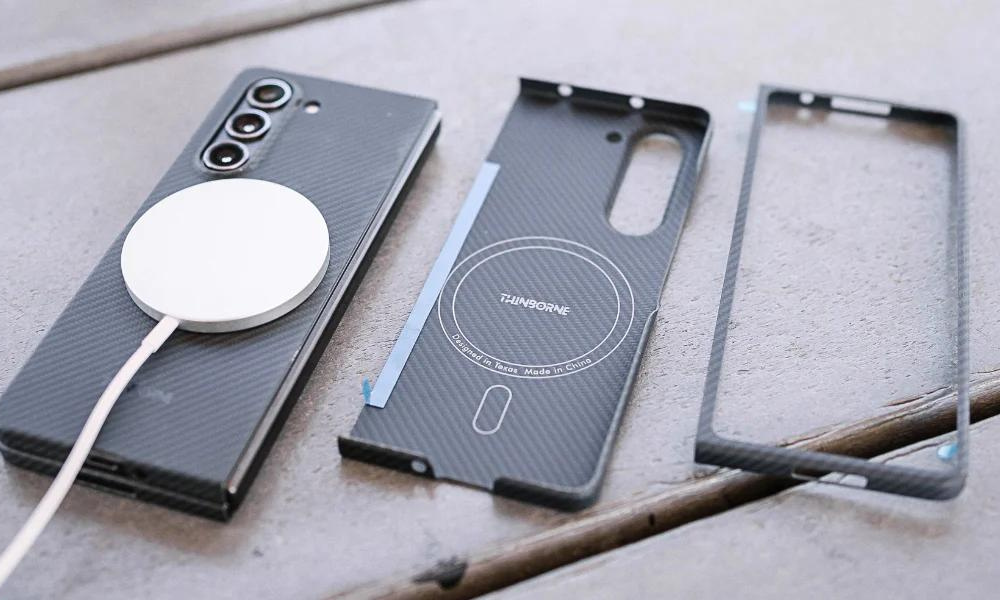
A MagSafe case is a phone case designed with built-in magnets. These magnets align perfectly with the magnetic ring inside MagSafe-compatible smartphones. Apple introduced this system with its iPhone 12 series, but it’s now also being used in Android phones.
Wireless charging used to require placing your phone on a wireless charger (hoping that it lines up correctly). With MagSafe cases, your phone snaps into place automatically because of the power of magnets (secure and stable).
These days, however, MagSafe is no longer just about charging. The technology allows you to use a whole ecosystem of magnetic accessories like wallets, stands, car mounts, etc. (the list goes on and on).
With more and more people loving MagSafe, magnetic cases and accessories are becoming more popular (and enjoyable) than ever before.
The truth is that MagSafe makes your phone more functional and easier to use. Once you get the taste of this amazing technology, there’s just no turning back. Today, some people may prefer a MagSafe case more to make the most out of their experience, whether it’s an iPhone or an Android device.
Choosing between a MagSafe case and a regular phone case means considering several factors: compatibility, charging convenience, design, protection, and price. We’ll explain each one in more detail below.
MagSafe cases are originally designed for iPhones with built-in magnetic rings. However, Android phones have started to support the Qi2 standard, which accommodates MagSafe-compatible accessories.
As for regular cases, these are available for every phone model - whether old or new, iOS or Android. If you have an older phone, a regular case is usually all you need.
👍 Helpful Article: Get a clear breakdown of how MagSafe technology works and how it integrates with today’s devices.
The biggest advantage of MagSafe cases is the ease of wireless charging they provide. Your phone snaps perfectly into place - aligned and immediately starts the charging process. Such attachment is also secure, so your phone won’t wobble or fall off.
Regular cases don’t carry the magnetic convenience feature. Yes, they do support wireless charging, but you have to make sure that they stay in place (since they don’t attach to the charger).
MagSafe cases require extra space to accommodate magnetic rings, so they’re thicker than standard cases. That said, our cases here on Thinborne manage to keep our MagSafe cases ultra-thin and featherlight.
Regular cases, on the other hand, come in various styles, shapes, and designs - ranging from thin to bulky, rugged, and so on. You can basically pick one based on how you want your phone to look and feel (and be protected).
Both types of cases can offer either minimal or solid protection - this usually depends on the brand and materials used. Here, at Thinborne, for example, we use 600D aramid fiber so our phone cases are super thin but tough and durable.
The protection provided by regular cases can vary - again, depending on the brand and materials. You can opt for lightweight cases that guard against scratches or rugged ones that are especially built for heavy drops.
Because of the technology involved, MagSafe cases are typically more expensive than standard cases. Remember, they have built-in magnets that are designed to accommodate add-ons that enhance your phone's functionality. But don’t worry, as you can also find affordable MagSafe cases on the market.
Regular cases have a much wider price range - from really cheap ones to premium ones. The good news is that there are affordable options that offer decent protection. But if you’d like to invest in your phone’s protection, you can also get a case that uses premium materials (e.g. aramid fiber, leather, carbon fiber, etc.).
MagSafe cases offer several advantages due to their built-in magnets, which enable the expansion of a smartphone’s functionality. However, we have to admit that, as amazing as they are, they’re not for everyone. Below is a detailed look at the pros and cons of a MagSafe case.
Snap-on Charging - MagSafe cases align perfectly with MagSafe chargers, making wireless charging efficient and effortless.
Accessory Compatibility - Magnetic accessories attach securely and easily.
Convenience - It offers snap-and-go convenience, with no cables or wires to worry about.
Higher Cost - Incorporating MagSafe technology into these cases increases their cost compared to standard ones (resulting in higher prices).
Thicker Outcome - Magnets and protective layers can add some bulk to the case’s overall design.
Limited Compatibility - Older phones that are not MagSafe-ready won’t work well with MagSafe cases (the most it can do is accommodate wireless charging).
👍 Helpful Article: Find out whether the magnets used in MagSafe technology pose any real risk to your smartphone and what the latest research says.
Now, let’s look at the pros and cons of regular phone cases. They’re the obvious choice for older models of phones, but it’s good to know their good points and limitations.
Wide Compatibility - Regular cases work for almost every type (and model) of cell phone (old or new).
Affordable - They’re more budget-friendly since they don’t carry MagSafe technology.
Variety of styles - There are slim, rugged, and military-grade cases to choose from.
No Magnetic Features - Magnetic accessories won’t work.
Less Convenient Wireless Charging - You may need to align your phone carefully on a wireless charger to ensure optimal charging.
Less Tech-Friendly - These basic cases can’t make your phone smarter and more functional.
Thinborne is known for producing some of the best MagSafe cases, made from 600D aramid fiber. Our phone cases are ultra-slim and very light, but they come with super-strong built-in magnets for MagSafe accessories.
If you prioritize minimalism and quality materials, a Thinborne case could be the right choice for you. It’s built for everyday protection and can withstand minor drops (desk height).
Thinborne has a lot of fans on X:
You won't find a better case for your smartphone! @thinborne #thinborne pic.twitter.com/TJILNFaq28
— 2NA Tech, Inc. (@eatuna247) September 23, 2025
YouTubers are also crazy about Thinborne cases. Watch a review of the iPhone 17 Pro case:
Otterbox has been a go-to choice for rugged phone protection - and they also offer a selection of MagSafe cases. These cases offer the same toughness they’re known for while adding magnetic alignment for chargers and other accessories.
If you tend to be rough on your phone, Otterbox would be a great choice. Their cases can protect your phone not only from scratches but also from shocks and drops.
UAG offers military-grade protection for smartphones. Their MagSafe-compatible cases are made from impact-resistant materials and feature textured grips for added stability.
This brand is ideal for those who want strong protection in a not-so-bulky case. Just keep in mind that it’s not super slim either.
There’s no standard answer when it comes to choosing between a MagSafe case and a regular phone case. Your choice will depend on the type of phone you have and your personal taste.
MagSafe cases stand out for their magnetic charging feature and compatibility with a wide range of accessories, resulting in overall convenience. On the other hand, regular cases remain a practical choice for simple protection and affordability.
If you’re a MagSafe fan like us and want a thin phone case with MagSafe functionality, consider Thinborne’s aramid fiber cases.
Think about your phone habits, lifestyle, and priorities before deciding between a MagSafe case and a standard case. The right choice will give you peace of mind and your phone the proper protection it needs.